“All good books are alike in that they are truer than if they had really happened and after you are finished reading one you will feel that all that happened to you and afterwards it all belongs to you…. If you can get so that you can give that to people, then you are a writer.”
#2
“She shot very well this good, this rich bitch, this kindly caretaker and destroyer of his talent. Nonsense. He had destroyed his talent himself. Why should he blame this woman because she kept him well? He had destroyed his talent by not using it, by betrayals of himself and what he believed in, by drinking so much that he blunted the edge of his perceptions, by laziness, by sloth, and by snobbery, by pride and by prejudice, by hook and by crook.”
“Nick slipped off his pack and lay down in the shade. He lay on his back and looked up into the pine trees. His neck and back and the small of his back rested as he stretched. The earth felt good against his back. He looked up at the sky, through the branches, and then shut his eyes. He opened them and looked up again. There was a wind high up in the branches. He shut his eyes again and went to sleep.”
#4
“If a writer of prose knows enough about what he is writing about he may omit things that he knows and the reader, if the writer is writing truly enough, will have a feeling of those things.”
The above cite purports to know what should/would be on Hem’s ipod. Hmm, being a skeptic, I have to ask, “How do they know?” Still we can speculate.
I see Hem listening to Sinatra. I don’t know why. Maybe because it’s so 30’s and 40’s elegant. Hemingway called Josephine Baker, the African-American entertainer who emigrated to France around the same time as Hemingway was there, “the most sensational woman anyone ever saw.”
the elegant Ms. Baker
Hem claims he met Josephine Baker in Paris at the best jazz club ever called Le Jockey and that she was there one night: “tall, coffee skin, ebony eyes, legs of paradise, a smile to end all smiles. Very hot night but she was wearing a coat of black fur. She turned her eyes on me and I cut in. Everything under that fur communicated with me. I introduced myself and asked her name. “Josephine Baker,” she said. We danced nonstop for the rest of the night. She never took off her fur coat. Wasn’t until the joint closed she told me she had nothing on underneath.” (Papa Hemingway, A.E. Hotchner)
Josephine Baker
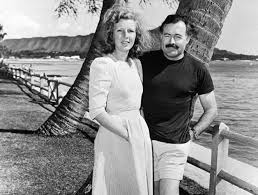
So I think we can presume that there is some great jazz on his ipod. I’ve seen photos of Papa dancing with Martha so he did enjoy music and dancing, it seems. That was the early 40’s.
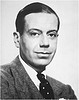
In The Snows of Kilimanjaro, Harry references a 1933 Cole Porter tune called “It’s Bad for Me”. I have to think that if he referenced it, he was familiar with Cole Porter’s music and he admired it. In Woody Allen’s Midnight in Paris,Cole Porter is present at one of the impromptu parties all of which suggests that Cole Porter and Hem crossed paths in a good way in Paris and maybe in NY, although Hem didn’t love NY.
From Hem’s love of Cuba, I see a love of the Spanish blend with Jazz. So what do you think is on Hem’s ipod? some cat songs? Speaking of which I’m in the middle of reading Hemingway’s Cats. Loving it, honestly. There is also mention of his dogs. I’ll post on this subject some other day.
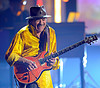
Carlos Santana
We know that Hemingway’s mother had him playing the cello–badly if he is to be believed–and I’m sure chamber music was prevalent in the Hemingway household of his youth. Perhaps, in light of Hem’s dislike of his mother, he never listened to classical music after he left the family womb.
A little Norah Jones?
I just read a great article in The Paris Review describing Hem’s work room in Cuba. He stood up to write most of the time, with Black Dog sleeping at his feet for as long as it took. I believe the standing up thing was due to his bad back from the crazy plane crashes he was in. The article describes the room in great detail down to the book cases, the desk, the shutters but no mention is made of a radio or a phonograph. I can only conclude that Hem wrote with no accompaniement. Actually, I just read that although he built himself that studio at the Finca (as part of the cat house) to write (the cats occupied the second floor, his studio was on the third floor), in actuality, he reverted to writing in the house. He missed the animals and was more comfortable there.
Hem’s great pal, A.E.Hotchner, recalls Hem liking music but does not recall him going to concerts or music events. “He did not like theater, opera or ballet, and although he liked to listen to music he rarely, to my knowledge, attended a concert or any other musicial presentation, longhair or jazz.” A.E. Hotchner Papa Hemingway Page. 28.
Still he frequented many a jazz bar with Hem in Cuba.
My life falls apart when I’m awake!
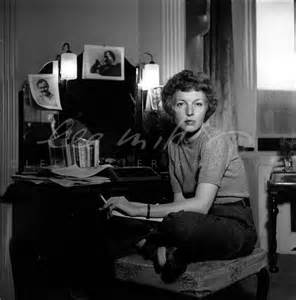
Hem liked cigars, women, booze, and pals. He was a great raconteur. I have to think that music went with it all. I see his ipod being loaded with Sinatra, Santana (if he were around then), Cole Porter, Ella Fitzgerald, Josephine Baker, and Duke Ellington. What do you think? He might even go for a bit of Tim McGraw while out in Ketchum. Then again, I sure can see a bit of Parrot Head music while in Key West and Cuba. Take it away, Jimmy Buffett. Wasting away again in Margaritaville, looking for . . . . Who do you think is on Papa’s Ipod?
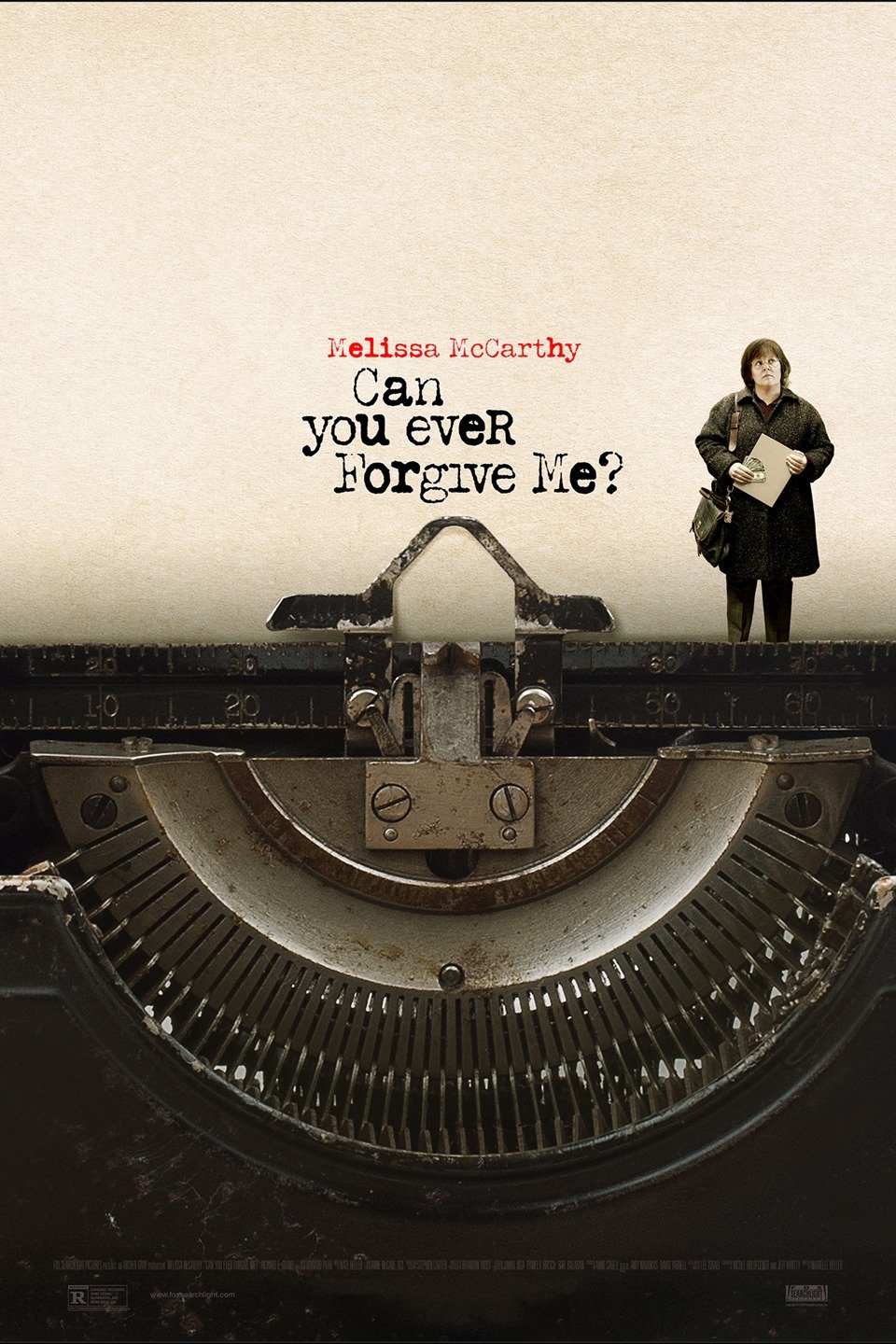
A new movie, Can You Ever Forgive Me, starring Melissa McCarthy, just came out. She plays a con artist and in essence a criminal who, in order to make money, spent 2 years in the early 1990’s writing forgeries of letters by the likes of Noel Coward, Hemingway, and Dorothy Parker. She then auctioned them off to collectors for quite hefty sums. The character is based on the real-life character, Lee Israel, who had originally been a New York based writer and she’d had some early successes penning biographies of Tallulah Bankhead and the game show panelist Dorothy Kilgallen. However, before she turned to fraud, she was on welfare and had no literary prospects.
It will be interesting to see which Hemingway letters she worked off of or if she simply made up things whole cloth and was able to capture his voice. She must have been good because experts at the auctions must have accepted that these were the real thing.
McCarthy, who is best known for her comedy roles, her SNL take on Sean Spicer, Bridesmaids, and similar comedies, is receiving early praise for this serious role. It could be a good movie to see over the holidays!
Dear Readers: I just read Night at Key West and it was truly great fun. It takes place in Key West in the Thirties when our main character, Simon, dispatches to Key West to solve a disappearance that becomes a murder investigation. I saw Simon as a bit of an Aaron Hotchner sidekick and a Nick Adams sort of reporter of the odd events around him. It is really a kick and Hemingway features prominently. Below is my review on Amazon and link.
I just finished reading Murder in Key West by Craig A. Hart and I enjoyed it immensely. I initially read it because Hemingway is a main fictionalized but based on reality character, and I read almost everything Hemingway-related. However, the book was wonderfully involving, funny, fun, and yes, a real mystery to figure out with trips and twists at most page turns. There’s enough Hemingway for old hands to enjoy with inside jokes about the pool in Key West and Scott Fitzgerald’s editing of The Sun Also Rises as well as fun anecdotes for readers who know nothing about Hemingway.
The writing itself is terrific. I laughed at some of the funny phrases such as “largely ineffectual energy” and “like a chihuahua watchdog” and i really enjoyed the sense of Key West in the 1930s and the small town characters at the courthouse, the police station, and the diner. It was a fun Sam Spade mystery, not too heavy (Simon the narrator is a bit of a Nick Adams persona) and I highly recommend it to mystery readers, lovers of fiction set in the ‘30s, and Hemingway fans. Great fun and good writing in one delightful package.
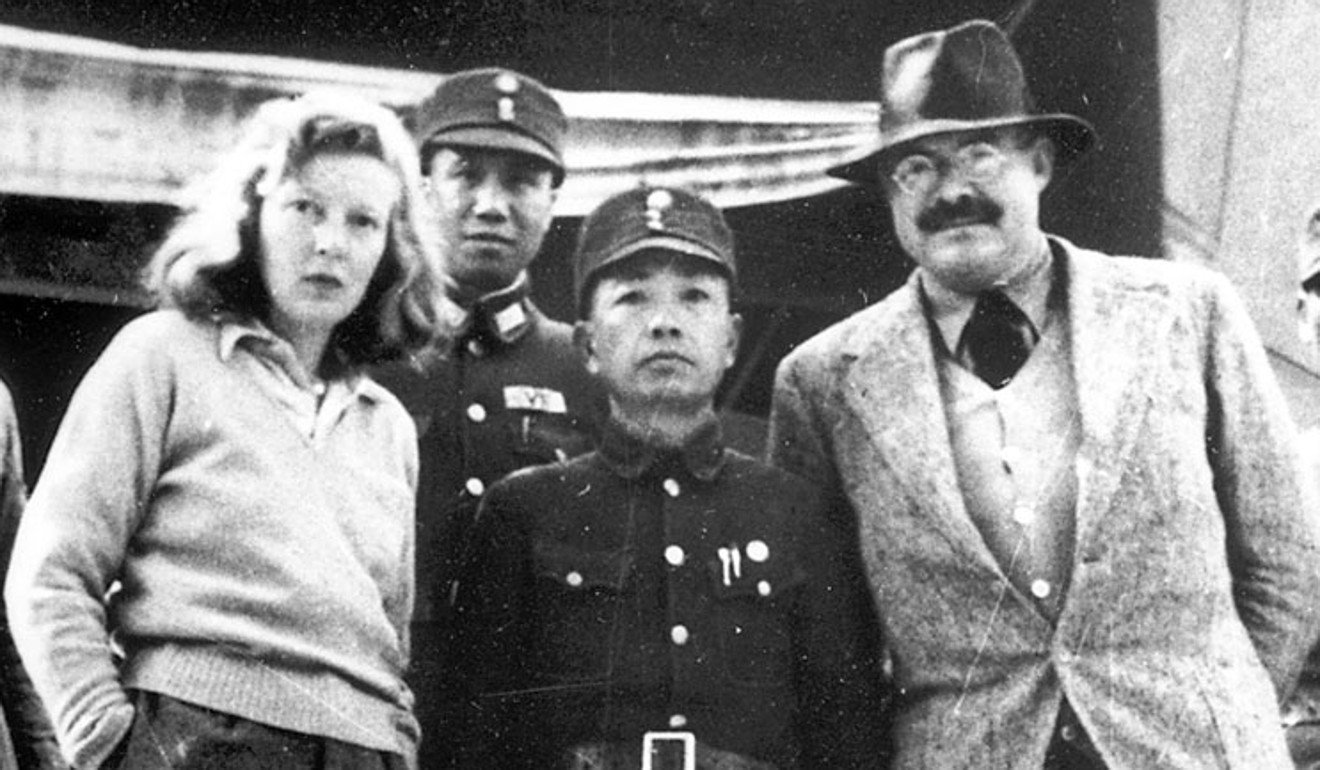
I finished reading Paula McLain’s new novel called Love and Ruin: A Novel.It’s the story of Martha Gellhorn, Hemingway’s third wife, and begins in 1937 when she is struggling to become a war journalist – which for a woman in those days was a formidable challenge – and her meeting fortuitously or unfortunately depending upon how you look at it with Ernest Hemingway.
I enjoyed it, and to tell you the truth, I wasn’t expecting to enjoy it as much as I did. For starters, I know too much about all of this. Second, I didn’t love The Paris Wife.
Love and Ruinfocused a great deal on the Spanish Civil War and that may become tedious for some readers. However, it truly was extraordinary that Martha Gellhorn was able to cover those sorts of stories. I didn’t feel that Paula McLain portrayed Hemingway as a villain. Since the book stopped at the end of the marriage to Hemingway while giving a wrap up, I will let all of you read more about Martha and come to your own conclusions about her. She was an extraordinary woman and while Hemingway definitely wanted her in his life more as a wife than as an independent journalist, the association was definitely beneficial to her.
Martha, discoverer of the Finca
I very much enjoyed the portions of the book about Martha’s discovery of the Finca Vigía, Hemingway’s Cuban home, and her efforts to restore it. It must have been hard for her to leave when they divorced and to know it was taken over by Mary Welsh, her successor and Hemingway’s fourth wife. I also admired (and have read this many other times) Martha’s relationship with Hemingway’s sons. It was very good. She was kind, generous, and caring toward the boys.
Hem, Martha, and boys on Safari
(That being said, she knew very well that Hemingway was married to Pauline when they began their affair but could not resist his magnetism and of course he knew he was still very much married with children.)
hem and Pauline
In reading some of the reviews on Amazon, it seems well received. I have to note that many people just don’t like Hemingway. I think that there is so much written about him but I hardly read anywhere that he had a good sense of humor, or that he was driven and a hard worker, or that he loved his first wife to the end even though he knew he’d been a poor husband, or that he loved his animals and was kind and generous to veterans, his staff, charities. Perhaps it is easier to focus on his bad points, which again are not hard to find. His drinking, his insecurities, his desire to dominate are not pretty.
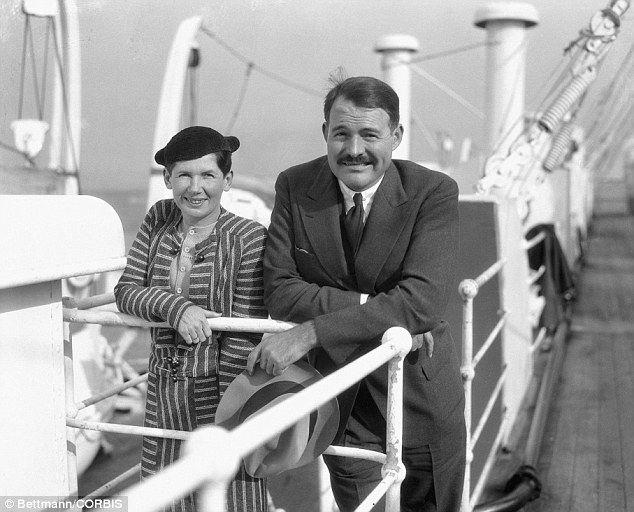
Martha Gellhorn and Hemingway.
I do recommend it however as it’s good easy reading, interesting, and adds dimension and texture to Martha’s legacy.
So what do we make of this?The Bible is foolish and Hemingway’s sentences “too short.” Really? Read this and see if you agree. The below is quoting from the full article with a few comments. Check out the list directly. Best, Christine
GQ magazine: The Bible is “foolish” and “ill-intentioned”
The Bible’s been around for centuries but GQ magazine is like, eh? What’s so great about it? Instead of Scripture, it has a fiction recommendation for you.
The Good Book makes the mag’s list of “21 Books You Don’t Have to Read.”While allowing “there are some good parts,” the post warns that it’s “repetitive, self-contradictory, sententious, foolish, and even at times ill-intentioned.” ( This is me: Click above link to see the 21 books. Lonesome Dove? Really. One of the greatest westerns ever. Also on list is The Old Man and the Sea, and A Farewell to Arms. GQ goes on to suggest alternatives).
Instead, GQ suggests that instead of THE BIBLE, how about “The Notebook? by Agote Kristof, not the Nicholas Sparks book of the same name. Kritsof’s book is billed as “a marvelous tale of two brothers who have to get along when things get rough.” Ok, i have not read it and it is likely great but i am not convinced yet.
The Bible finds itself in the company of works by J.D. Salinger, Mark Twain, Ernest Hemingway on the list of books GQ is just not that into. “Catcher in the Rye” is dinged as being “without any literary merit whatsoever.” “Huckleberry Finn” is tedious, meandering and hamfisted. Hemingway’s sentences? Too short.
Even Bram Stoker’s “Dracula” makes the roster of books to skip. (Click on it and link will appear. (ME: Here’s the entire list again if you missed the link above. Click on this link:, which includes contributions by various writers.
Me: I just read the whole list plus GQ’s list of what you should read instead. Hmm. i don’t agree.
Happy Saturday morning, all Hemingway readers. A new story has been found and published from 1956, 5 years before Hem’s death. Hemingway of course did not feel it was finished so please keep that in mind but i can’t wait to read it. Hope your summer is going fantastically! i added photos.Best wishes, Christine
You can finally read this Ernest Hemingway story about Paris after WWII
On Aug. 14, 1956, Ernest Hemingway wrote to publisher Charlie Scribner about five short stories he had written: “I suppose they are a little shocking since they deal with irregular troops and combat and with people who actually kill people….Anyway you can always publish them after I’m dead.”
More than six decades later, fans can finally read one of the long-unpublished stories.
“A Room on the Garden Side” centers on a fictionalized version of Hemingway at the Paris Ritz Hotel toward the end of World War II, and is punctuated with books, liquor, soldiers and a love of Paris — all familiar trademarks.
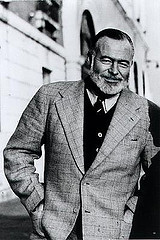
Hem in Tweed
The Hemingway Estate granted publishing rights to The Strandquarterly literary magazine in last October.
“With a precious little gem like Ernest Hemingway, you don’t ask any questions,” managing editor and Hemingway aficionado Andrew Gulli said. “You just count yourself fortunate that you get the chance to publish something by one of the greatest writers in the 20th century.”
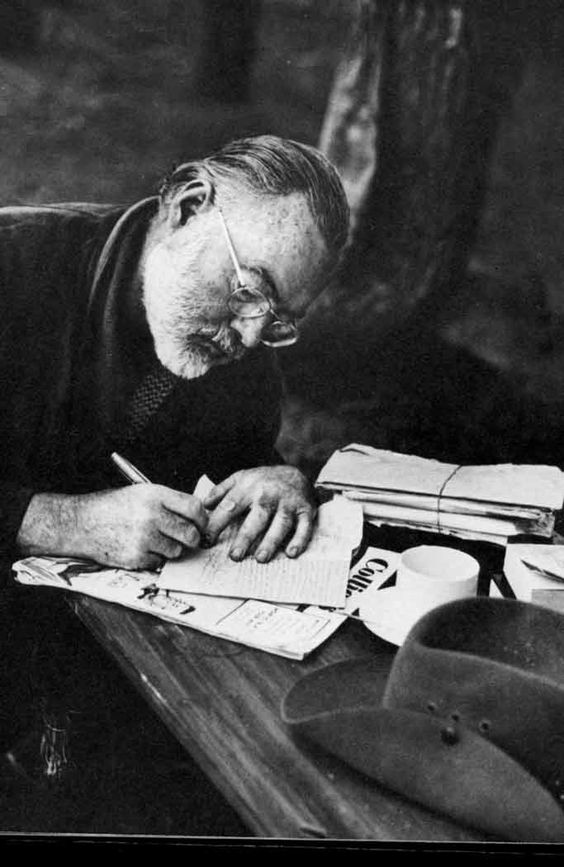
Hem at typewriter
The 3,000-word story is narrated by Robert, or “Papa,” a clear representation of Hemingway himself, with a sense of pathos for times gone by and the sacrifice of soldiers. It quotes heavily from the poem “Les Fleurs du Mal,” by Charles Baudelaire, charging the story with poignancy over the ways the city of Paris was changed by the war.
“It has some of his favorite themes,” Gulli said. “What I really found interesting is there is some humor and laughter and the talk of people who just won a battle, but beneath that you see a sadness for the people that died during the conflict.”
Hem and Buck Lanham WW II
Hemingway wrote “A Room on the Garden Side,” more than a decade after WWII, a conflict during which he had served as both reporter and unofficial soldier. Only one other story in the quintet he wrote in 1956 was previously published, according to Kirk Curnutt, board member of The Ernest Hemingway Foundation and Society.
“In 1944 when he is one of the first Americans into Paris on the day of the liberation, it is a very profound moment for him — for reclamation of freedom, but also the reclamation of a city that was stolen from him as well,” Curnutt said.
Bumby, WWII
“A Room on the Garden Side” takes place just after the liberation of Paris at the end of the war, where Robert and a ragtag group of “irregulars” — members of the French resistance — sit drinking and reminiscing with the famous Charley Ritz in his namesake hotel on the Right Bank of Paris. The Ritz was Hemingway’s favorite hotel away from home throughout his life.
Scholars like Curnutt have known about the story — 15 handwritten pages — for some time. (It has been housed at the Library of Congress and John F. Kennedy Presidential Library and Museum in Boston.) But this is the first time the story will be published for the wider public.
Paris liberation
“[The Estate has] steered away from commercializing anything unpublished,” Gulli said. “They were very kind to give the story to The Strand because they understand we have a good track record of publishing unpublished works. They want to make sure that if something is released that it will honor the memory of Ernest Hemingway.”
“To me it’s not like Hemingway is an unknown writer and that this will bring him back into competition,” Gulli said. “It’s more of the passion to have a writer that you’ve admired and revered your whole life and to get it published in Strand magazine — it’s a wonderful feeling to know Hemingway is gracing our pages.”
Where is Hemingway’s soul? A writer says he knows.
Very nice article. Some photos added by me. Best, Christine
Michael Patrick Shiels, For the Lansing State JournalPublished 8:18 a.m. ET April 14, 2018
Modern America’s most revered, complex and troubled novelist Ernest Hemingway – the man known as “Papa” – traveled (and took his readers) to battlefields and bars in places such as the beaches of Normandy and the canals of Venice, plus the Congo, Caribbean and China, to name a few.
Hemingway hunted German U-boats (from his fishing boat) off Key West; survived multiple plane crashes; and avoided being gored at the “Running of the Bulls,” in Pamplona, Spain before doing himself in with his favorite shotgun on an early July day near Sun Valley, Idaho.
Hem statue in Bar, Havana
Robert Wheeler authored “Hemingway’s Havana: A Reflection of the Writer’s Life in Cuba,” featuring rich photography, and “Hemingway’s Paris: A Writer’s City in Words and Images.”
Since the sun never sets on Hemingway’s logistical legacy, where, I asked Wheeler, does he think Hemingway’s soul is most palpable: Petoskey? Paris? Pamplona?
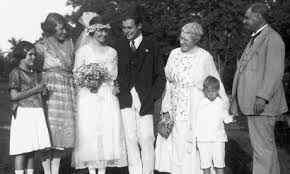
Hem married to Hadley in Horton Bay Michigan
“I would have to say based on my travels Hemingway’s spirit can be found beautifully in Havana. I think the spirit of him as a young apprentice writer in love with Hadley is alive and well in Paris,” said Wheeler. “But in Havana you can find his spirit not only walking in the sea breeze along the Malecon, but also in the various cafes he frequented.”
Hemingway drank mojitos in Havana at the earthy La Bodeguita del Medio; and his “Papa Doble” daiquiris at the snazzy La Floridita, where a life-sized statue of him is seated at the bar. Most travelers to Havana make a pilgrimage to visit Hemingway’s former home “Finca Vigia” and its grounds, which has been restored by Lansing-based Christman Company.
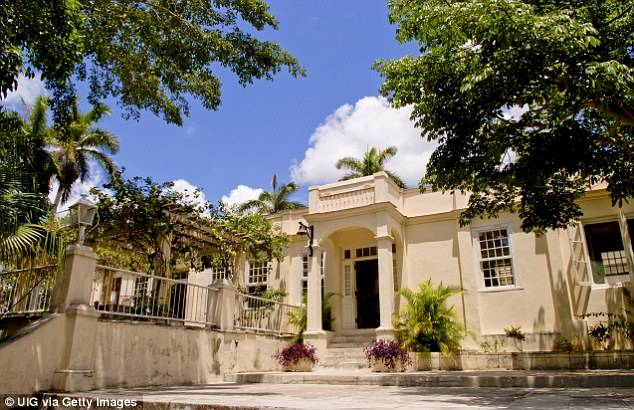
Finca Vigia
“You can especially feel Hemingway’s presence through the voices of the people there who knew him or knew of him. He left them with beautiful memories and with tears,” said Wheeler, who researched the book by traveling to Cuba via Toronto.
“I’ve never flown to Cuba on a flight from the United States, but there are certain ways you can,” Wheeler explained. (Canadians, by contrast to U.S. citizens, can fly freely to Havana due to the absence of a trade embargo.) “Americans have to provide a reason why they are traveling there. It’s very easy, though, to say, for instance, that you’re writing an article for your local newspaper. Then you maintain a record of that and keep your receipts and have an itinerary you can show if need be.”
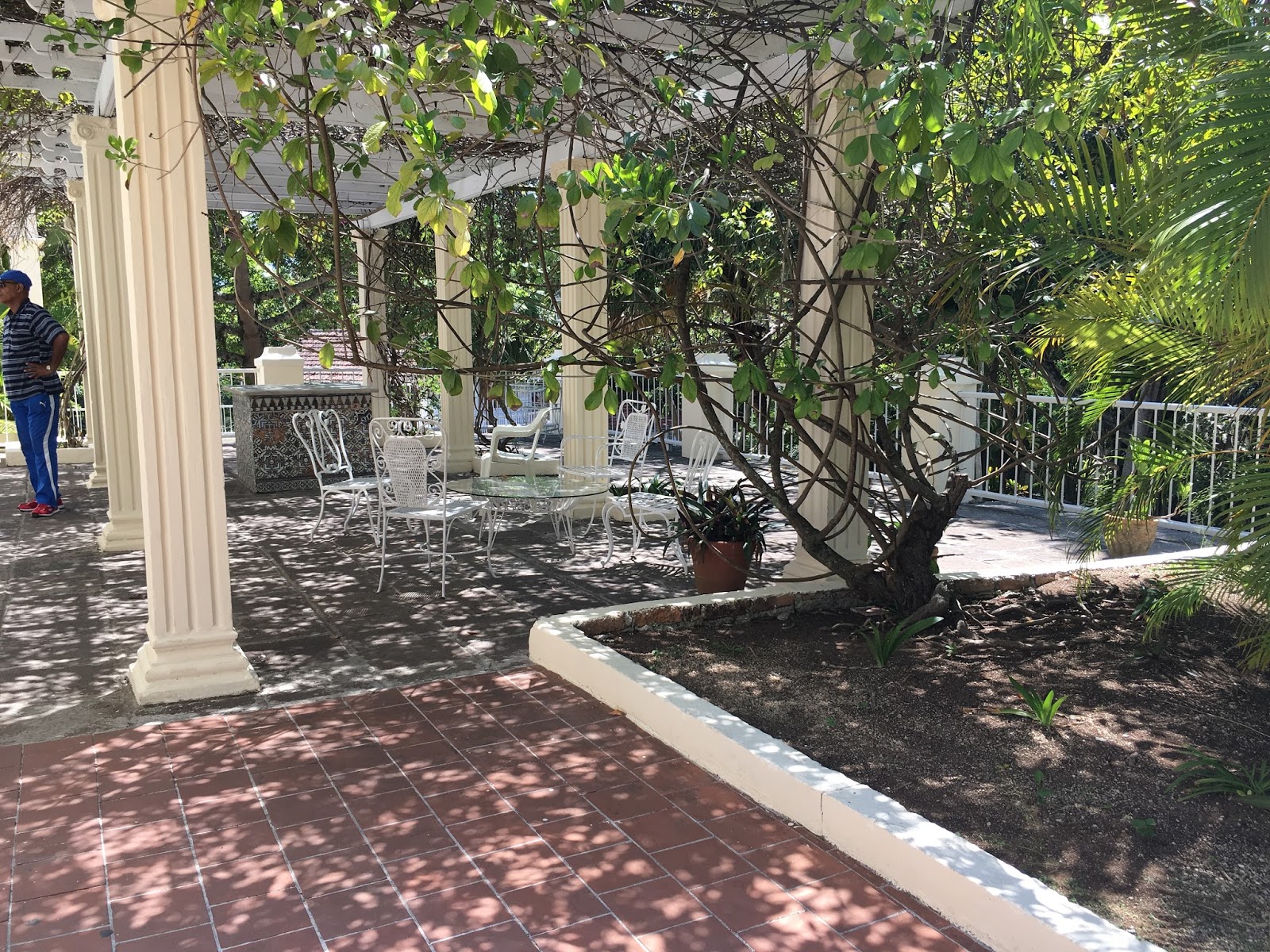
Verandas at the finch
Wheeler’s first Hemingway read was “The Garden of Eden,” which was published posthumously in 1986.
“From the second I opened that book I was hooked,” he said. “It was a foreign land; it was a man and woman on an extended honeymoon in Mediterranean France. After that I went on to read Hemingway’s Nick Adams series, so, in a sense, I went from France right over to Michigan.”
Hemingway set the Nick Adams stories in Northern Michigan towns such as Horton Bay and Mancelona where he grew up summering on Walloon Lake. A life-sized statue of young Ernest Hemingway was unveiled in the center of Petoskey in summer of 2017.
The statue unveiled last year in Petoskey, Michigan of Young Ernest Hemingway
Could another Wheeler book featuring Hemingway’s roots in Northern Michigan be in the works?
ContactTravel Writer Michael Patrick Shiels at MShiels@aol.com His radio program may be heard weekday mornings on 92.1 FM. His latest book is “I Call Him Mr. President – Stories of Fishing, Golf and Life with my Friend George H.W. Bush”
Thank you, Michael Patrick Sheils for this article as well as Robert Wheeler for his book on Hemingway and Cuba. Best, Christine
DREW’S 10 Favorite books to take with her to a Desert Island (Media added by me).
Who knew that Drew Barrymore likes Hemingway?
On her list of her 10 favorite books that she’d take if marooned on a desert island she had Ernest Hemingway’s A Farewell to Arms. Her comment was “I defy a woman to read this and not cry. It is so romantic, and epic – even when it takes place in one room.”
Since I’m sure you’re curious by now, the other 9 were the following:
The Four Agreements, by Don Miguel Ruiz. “This is a book I found at a very hard time in my life and it rescued me. It offers succinct and approachable advice about how to behave in life.”
Still Life with Woodpecker, by Tom Robbins. “A love story that’s filled with poetic analogy, this man speaks in strange and delicious descriptions.”
TOM ROBBINS
Endurance, by Alfred Lansing. “This taught me that if you lead, you need to take peoples personalities into account when you guide them. Shackleton is a brilliant hero.”
Frannie and Zoey, by J.D. Salinger. “This book surprised me. I didn’t see it coming and yet it wasn’t trying to trick me; it made me feel like a welcome fly on the wall.”
Holidays on Ice, by David Sedaris. “If anyone knows what it’s like to be alone on Christmas I’m sure they will have wished they had this book. It’s a humor guide for what could seem lonely and it sets you up for joy.”
Hmm, a bit of a dark message there!
Women, by Charles Bukowski. “Bukowski is my favorite, for me he was always on point.”
Full of Life, by John Fante. “This mans perspective of the journey of pregnancy and birth is an eye opener into the member of the other sexes perspective.”
Oh The Places You’ll Go! by Dr. Seuss. “Because you sometimes need to be reminded your journey is meaningful in the sweetest way. Hope for all ages.”
All I Really Need to Know I Learned in Kindergarten, by Robert Fulghum. “Even as adults we need to be forced to go back to basics. This book is nostalgic but makes you think.”
And then of course, rounding at the list, A Farewell to Arms, by Ernest Hemingway.
So! What say you? Are these the 100 Greatest Novels ever? There can only be one per author (Explaining why there is only one Hemingway novel on the list!) These are not in any order of greatness but are merely alphabetical. So here you go. PBS has put this together so read Jay Oliver’s article. Interesting!
Jay Oliver
moliver@yakimaherald.com May 23, 2018
Using the public opinion polling service “YouGov,” PBS and its producers conducted a demographically and statistically representative survey asking around 7,200 Americans to name their most-loved title, according to the web page. PBS said tallied results were organized by an advisory panel of 13 literary professionals.
Criteria allowed for works of fiction from all over the world, as long as the novels were published in English. They allowed only one title per author.
Reporters and editors in the Yakima Herald-Republic’s newsroom were given copies of the list to find out which titles were the most popular — and to see who’s read the most from their newsroom staff.
The most widely read title by newsroom respondents is Harper Lee’s “To Kill a Mockingbird.”
Two books tied as the second most-read — “The Adventures of Tom Sawyer,” by Mark Twain and E.B. White’s “Charlotte’s Web” — while George Orwell’s “1984” was the third most widely read in the newsroom.
John Steinbeck’s “The Grapes of Wrath” and “Great Expectations” by Charles Dickens tied with C.S. Lewis’ “The Chronicles of Narnia” series as the fourth most read titles.
Rounding out the top five was F. Scott Fitzgerald’s “The Great Gatsby,” which was read by as many folks as two other series — J.R.R. Tolkein’s “The Lord of the Rings” and “Harry Potter” from J.K. Rowling.
Here’s the List (alphabetical not by greatest of the great.)
1984 by George Orwell
A Confederacy of Dunces by John Kennedy Toole
A Prayer for Owen Meany by John Irving
A Separate Peace by John Knowles
A Tree Grows in Brooklyn by Betty Smith
The Adventures of Tom Sawyer by Mark Twain
The Alchemist by Paulo Coelho
Alex Cross Mysteries (series) by James Patterson
Alice’s Adventures in Wonderland by Lewis Carroll
Americanah by Chimamanda Ngozi Adichie
And Then There Were None by Agatha Christie
Anne of Green Gables by Lucy Maud Montgomery
Another Country by James Baldwin
Atlas Shrugged by Ayn Rand
Beloved by Toni Morrison
Bless Me, Ultima by Rudolfo Anaya
The Book Thief by Markus Zusak
The Brief Wondrous Life of Oscar Wao by Junot Díaz
The Call of the Wild by Jack London
Catch-22 by Joseph Heller
The Catcher in the Rye by J.D. Salinger
Charlotte’s Web by E.B. White
The Chronicles of Narnia (series) by C.S. Lewis
The Clan of the Cave Bear by Jean M. Auel
The Coldest Winter Ever by Sister Souljah
The Color Purple by Alice Walker
The Count of Monte Cristo by Alexandre Dumas
Crime and Punishment by Fyodor Dostoyevsky
The Curious Incident of the Dog in the Night-time by Mark Haddon
The Da Vinci Code by Dan Brown
Don Quixote by Miguel de Cervantes
Doña Bárbara by Rómulo Gallegos
Dune by Frank Herbert
Fifty Shades of Grey (series) by E.L. James
Flowers in the Attic by V.C. Andrews
Foundation (series) by Isaac Asimov
Frankenstein by Mary Shelley
Games of Thrones (series) by George R.R. Martin
Ghost by Jason Reynolds
Gilead by Marilynne Robinson
The Giver by Lois Lowry
The Godfather by Mario Puzo
Gone Girl by Gillian Flynn
Gone With the Wind by Margaret Mitchell
The Grapes of Wrath by John Steinbeck
Great Expectations by Charles Dickens
The Great Gatsby by F. Scott Fitzgerald
Gulliver’s Travels by Jonathan Swift
The Handmaid’s Tale by Margaret Atwood
Harry Potter (series) by J.K. Rowling
Hatchet (series) by Gary Paulsen
Heart of Darkness by Joseph Conrad
The Help by Kathryn Stockett
The Hitchhiker’s Guide to the Galaxy by Douglas Adams
The Hunger Games (series) by Suzanne Collins
The Hunt for Red October by Tom Clancy
The Intuitionist by Colson Whitehead
Invisible Man by Ralph Ellison
Jane Eyre by Charlotte Brontë
The Joy Luck Club by Amy Tan
Jurassic Park by Michael Crichton
Left Behind (series) by Tim LaHaye and Jerry B. Jenkins
The Little Prince by Antoine de Saint-Exupéry
Little Women by Louisa May Alcott
Lonesome Dove by Larry McMurtry
Looking for Alaska by John Green
The Lord of the Rings (series) by J.R.R. Tolkien
The Lovely Bones by Alice Sebold
The Martian by Andy Weir
Memoirs of a Geisha by Arthur Golden
Mind Invaders by Dave Hunt
Moby Dick by Herman Melville
The Notebook by Nicholas Sparks
One Hundred Years of Solitude by Gabriel García Márquez
Outlander (series) by Diana Gabaldon
The Outsiders by S.E. Hinton
The Picture of Dorian Gray by Oscar Wilde
The Pilgrim’s Progress by John Bunyan
The Pillars of the Earth by Ken Follett
Pride and Prejudice by Jane Austen
Ready Player One by Ernest Cline
Rebecca by Daphne du Maurier
The Shack by William P. Young
Siddhartha by Hermann Hesse
The Sirens of Titan by Kurt Vonnegut
The Stand by Stephen King The Sun Also Rises by Ernest Hemingway
Swan Song by Robert McCammon
Tales of the City (series) by Armistead Maupin
Their Eyes Were Watching God by Zora Neale Hurston
Things Fall Apart by Chinua Achebe
This Present Darkness by Frank E. Peretti
To Kill a Mockingbird by Harper Lee
Twilight Saga (series) by Stephenie Meyer
War and Peace by Leo Tolstoy
The Watchers by Dean Koontz
The Wheel of Time (series) by Robert Jordan
Where the Red Fern Grows by Wilson Rawls
White Teeth by Zadie Smith
Wuthering Heights by Emily Brontë
This is me: Hmm. Food for thought. I was at first shocked that For Whom the Bell Tolls was not here but as noted, only one book per author permitted. Happy Memorial Day to all! C